


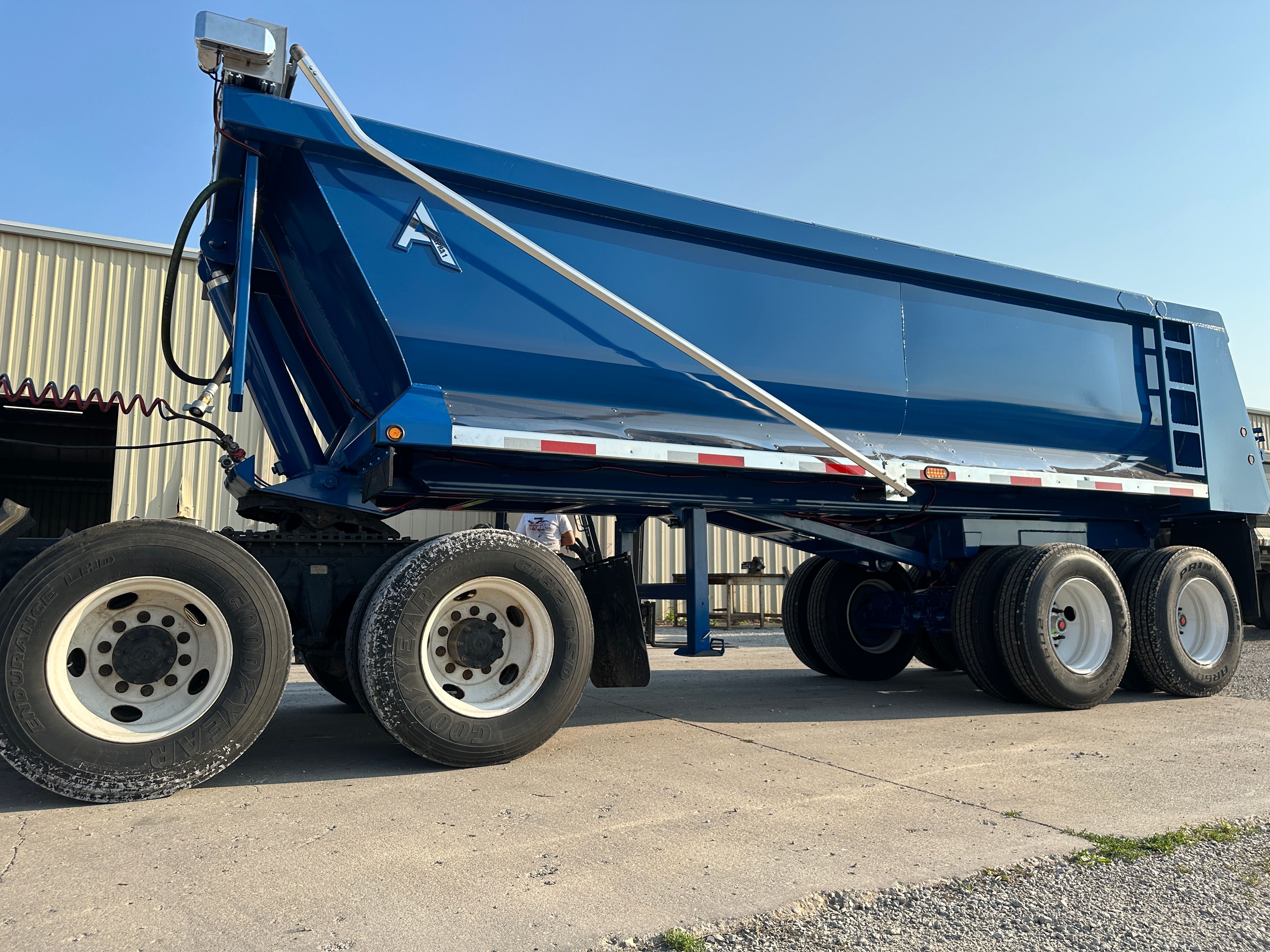
How Smart Fleet Strategy Improves Dump Trailer Profitability and Efficiency
t
tj@civsav.com
© 2026 Civilized Savage
Based in USA
tj@civsav.com
In the hauling and construction industry, dump trailers are more than just transport equipment they are revenue-generating assets. Every load moved, every trip completed, and every hour of uptime directly contributes to business profitability.
However, many operators still focus only on purchasing the right trailer, not on how to strategically manage a trailer fleet for maximum efficiency and return on investment.
Modern fleet success is not determined by ownership alone it is determined by how well trailers are deployed, maintained, and optimized across operations.But fleet strategy goes beyond individual decision-making it focuses on system-wide performance and long-term profitability.
Dump Trailers Are Revenue Assets, Not Just Equipment
A common mistake in the industry is treating dump trailers as simple tools rather than financial assets.
In reality, each trailer represents:
When used efficiently, dump trailers:
When mismanaged, they become:
The difference is strategy.
The Real Driver of Profitability: Utilization Rate
The most important metric in dump trailer operations is not purchase price it is utilization rate.
High utilization means:
Low utilization means:
Fleet profitability depends on how consistently each trailer is working, not just how well it performs.
Matching Trailer Capacity with Job Demand
One of the biggest inefficiencies in fleet operations is incorrect capacity matching.
Problems include:
Each mismatch results in wasted time and fuel.
Proper planning ensures:
Capacity planning is critical when selecting equipment from the start, as discussed in what size dump trailer do you need
Material Selection Impacts Long-Term Fleet Cost
Fleet performance is not only about usage it is also about material durability and lifecycle cost.
Steel and aluminum trailers each offer different advantages:
Choosing incorrectly can lead to:
A deeper breakdown of this decision is available here steel vs aluminum dump trailers
Material choice directly affects long-term profitability.
Maintenance Strategy Determines Fleet Longevity
Maintenance is often seen as a reactive cost, but in high-performance fleets, it is a predictive strategy.
Well-maintained trailers:
Poor maintenance leads to:
A structured approach to upkeep is essential, as covered in trailer maintenance guide
Downtime Is the Silent Profit Killer
In trailer operations, downtime is more damaging than fuel cost or maintenance expense.
Every hour of downtime results in:
Even a small fleet disruption can ripple across entire job schedules.
This is why reliability-focused planning is critical for long-term success.
Fleet Expansion Without Strategy Creates Inefficiency
Many businesses expand their fleet too quickly without operational planning.
This leads to:
Scaling a fleet should always follow demand analysis not speculation.
Strategic expansion ensures every new trailer contributes immediately to revenue generation.
Load Security and Operational Efficiency Go Together
Efficiency is not just about speed it also depends on how safely and securely loads are handled.
Poor load management leads to:
Proper loading practices ensure:
This balance between safety and productivity is essential in commercial hauling operations.
Financing Decisions Affect Fleet Growth Strategy
Fleet growth is often limited by capital constraints, which is why financing plays a major role in expansion decisions.
Smart financing allows operators to:
Understanding financing structures is critical for long-term growth, as discussed here how to secure equipment financing for small business
Fleet Optimization Is a Continuous Process
One of the biggest misconceptions in the industry is that fleet optimization is a one-time decision.
In reality, it is ongoing:
Continuous optimization ensures:
Regular evaluation keeps operations aligned with demand.
Operational Planning Improves Trailer Performance
How trailers are scheduled and deployed matters as much as their physical condition.
Poor planning results in:
Good planning results in:
Logistics coordination is a key part of fleet success.
The Role of Data in Modern Trailer Fleets
Modern fleet management increasingly relies on data-driven decision-making.
Tracking key metrics such as:
helps operators make smarter decisions about:
Data transforms fleet management from reactive to predictive.
Replacement Strategy Protects Long-Term Profitability
Many businesses delay replacing trailers to avoid upfront costs, but this often increases long-term expenses.
Old equipment leads to:
A structured replacement cycle ensures:
Replacement planning is a core part of fleet strategy.
Final Thoughts
Dump trailer success is not defined by individual equipment quality alone it is defined by how effectively the entire fleet is managed over time.
Businesses that focus on:
consistently outperform those that focus only on purchases.A well-managed fleet becomes more than equipment it becomes a predictable, scalable revenue system.And in today’s competitive hauling industry, that system-level thinking is what separates average operators from highly profitable ones.