


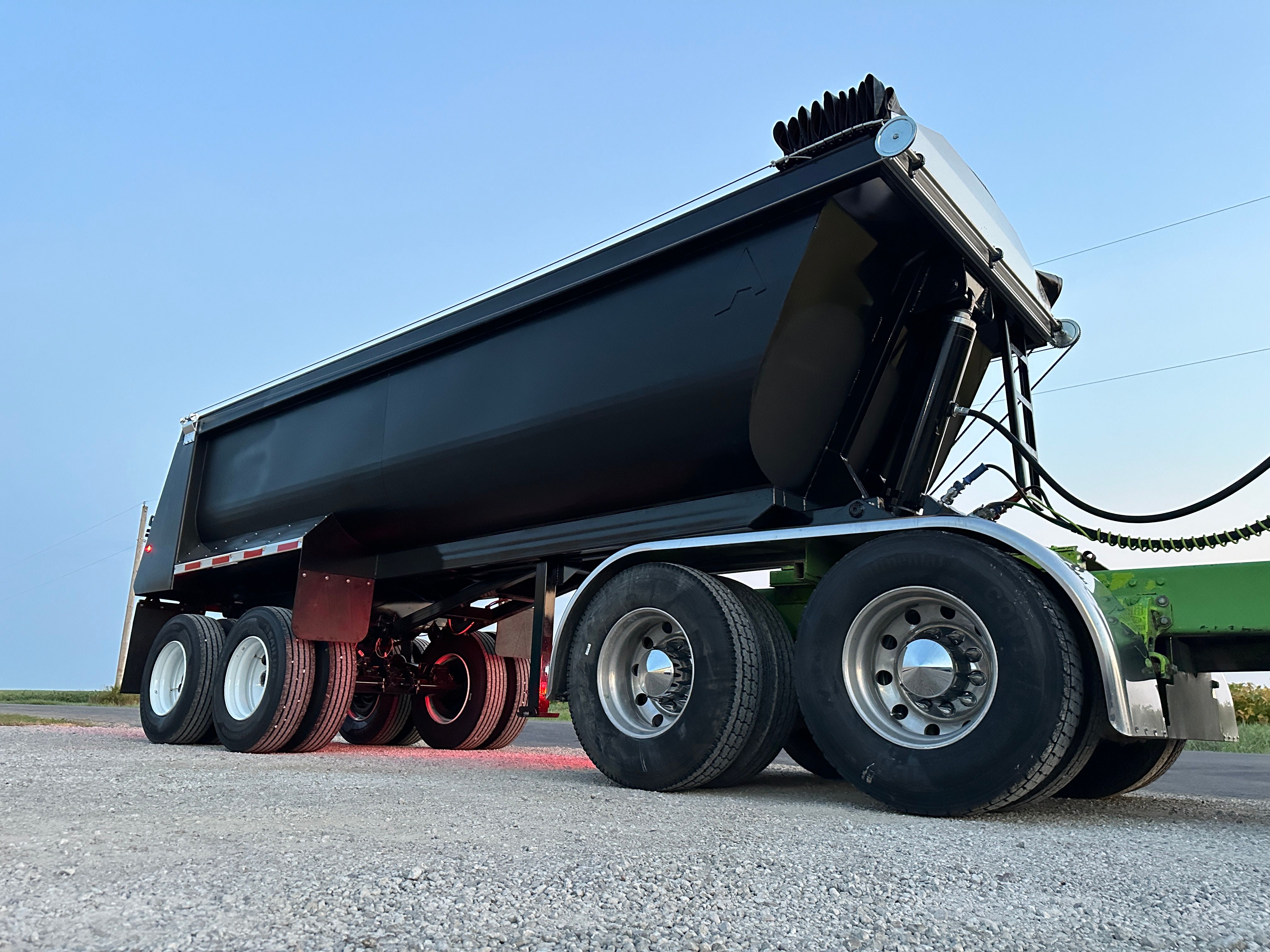
How Dump Trailer Payload Capacity Affects Productivity and Hauling Costs
t
tj@civsav.com
© 2026 Civilized Savage
Based in USA
tj@civsav.com
Dump trailers play a critical role in construction, landscaping, agriculture, demolition, material hauling, and many other industries that require reliable transportation of heavy loads. While buyers often focus on trailer size, material type, or pricing, one of the most important performance factors is payload capacity.
Payload capacity directly affects productivity, hauling efficiency, fuel costs, safety, equipment lifespan, and overall business profitability. Choosing the right payload capacity allows operators to maximize each trip while avoiding overloading risks that can damage equipment and create compliance issues.
At ALKO Dump Trailers, heavy-duty dump trailers are designed to support demanding hauling applications while helping contractors and businesses improve operational efficiency through durable and properly engineered trailer solutions.
Payload capacity refers to the maximum amount of cargo weight a trailer can safely carry. This does not include the trailer’s own weight, commonly referred to as curb weight or empty weight.
Payload capacity is determined by several factors, including:
Understanding payload capacity is essential because exceeding these limits can lead to serious mechanical problems and safety concerns.
Every hauling trip costs time, labor, fuel, and equipment wear. A trailer with the appropriate payload capacity helps operators transport more material efficiently while reducing the total number of trips required.
Higher productivity benefits may include:
For contractors handling large amounts of debris, aggregate, soil, or equipment, payload optimization can significantly impact daily operations. Businesses looking to improve hauling performance can also review Dump Trailer Fleet Utilization Guide.
Some operators attempt to increase efficiency by exceeding payload limits, but overloading creates major operational and legal risks.
Potential consequences include:
Overloaded trailers may also violate transportation regulations and result in costly fines or liability issues.
Choosing the proper trailer capacity from the start is far more cost-effective than dealing with repairs and downtime later.
Payload requirements vary widely depending on the type of work being performed.
Construction projects often involve hauling:
These dense materials require trailers with strong payload ratings and reinforced frames.
Landscapers may transport:
Payload flexibility becomes important because material weights can vary significantly between loads.
Farm operations may use dump trailers for:
Commercial haulers often require trailers capable of handling mixed cargo under changing job conditions.
Industry versatility is one reason dump trailers remain highly valuable across many sectors. More application insights are available in Dump Trailers for Contractors and Haulers.
The material used to build the trailer directly affects payload performance.
Steel trailers are known for:
However, steel trailers are generally heavier, which may slightly reduce available payload compared to lighter materials.
Aluminum trailers are lighter, which can increase usable payload capacity while improving fuel efficiency.
Benefits may include:
The best material choice depends on operating conditions, hauling requirements, and long-term business goals.
For detailed comparisons, visit Steel vs Aluminum Dump Trailers
Larger trailers do not automatically provide better hauling performance.
A trailer that is too large for the towing vehicle may create:
A trailer that is too small may require extra trips and reduce productivity.
Choosing the right combination of:
helps create safer and more efficient hauling operations.Additional sizing guidance is available in What Size Dump Trailer Do You Need.
Trailer axles determine how much weight the trailer can safely support.
Common configurations include:
Higher-capacity trailers often require multiple axles to distribute weight properly.
Benefits of proper axle configuration include:
Operators should always ensure axle ratings align with expected hauling demands.
Fuel efficiency is a major concern for commercial hauling operations.
Overloaded or improperly balanced trailers increase:
A properly sized trailer carrying optimized loads helps reduce unnecessary fuel expenses over time.
Lighter trailer materials and efficient load management strategies can further improve fuel economy.
Dump trailers rely on hydraulic systems to lift and unload heavy materials safely.
Payload capacity directly impacts hydraulic performance requirements.
Undersized hydraulic systems may struggle with:
Heavy-duty hydraulic components help maintain reliable operation under demanding hauling conditions.High-performance trailer systems are discussed further in:
Even when operating within payload limits, poor weight distribution can create dangerous towing conditions.
Improperly balanced loads may lead to:
Safe loading practices include:
Proper trailer setup improves towing stability and reduces accident risks.
Equipment downtime affects profitability across every industry.
Overloaded trailers often experience:
Proper payload management helps reduce:
Reliable trailers built for appropriate hauling demands help businesses maintain steady workflow.Maintenance best practices are covered in Trailer Maintenance Guide.
Businesses managing multiple trailers must carefully balance payload capacity with operational flexibility.
Fleet managers often prioritize:
Standardizing trailer capacity across fleets can simplify maintenance schedules and improve equipment utilization.
Heavy-duty commercial trailer systems remain popular because they support scalable operations under demanding workloads.
Larger payload capacity trailers may require greater upfront investment, but they often improve long-term operational efficiency.
Higher-capacity trailers can potentially:
Businesses evaluating equipment purchases should consider both short-term cost and long-term productivity gains.Financing strategies are discussed in How to Secure Equipment Financing for Small Business.
Selecting the proper payload capacity is not only about current project requirements. Businesses should also consider future operational growth.
Questions to evaluate include:
Choosing a trailer with sufficient capacity and durability helps businesses adapt to changing workloads without needing immediate equipment replacement.
More buying guidance can be found in Choosing the Right Dump Trailer for Your Business
Commercial hauling environments often expose trailers to:
Heavy-duty dump trailers designed with reinforced frames, durable suspension systems, and reliable hydraulic components help maintain consistent performance under these demanding conditions.
More information is available in:
Dump trailer payload capacity plays a major role in productivity, operating costs, equipment lifespan, and overall hauling efficiency. Choosing the correct payload capacity helps businesses reduce downtime, improve safety, optimize fuel usage, and maximize hauling performance across a wide range of industries.
From construction contractors and landscapers to agricultural operators and commercial hauling fleets, properly matched dump trailers support smoother daily operations and long-term business growth. Understanding payload requirements, trailer materials, axle configurations, and towing limitations allows buyers to make smarter investment decisions that improve efficiency for years to come.
With durable trailer systems designed for demanding applications, ALKO Dump Trailers continues supporting businesses that require reliable, high-performance hauling solutions built for productivity and long-term value.
Get in touch
© 2025 Civilized Savage