


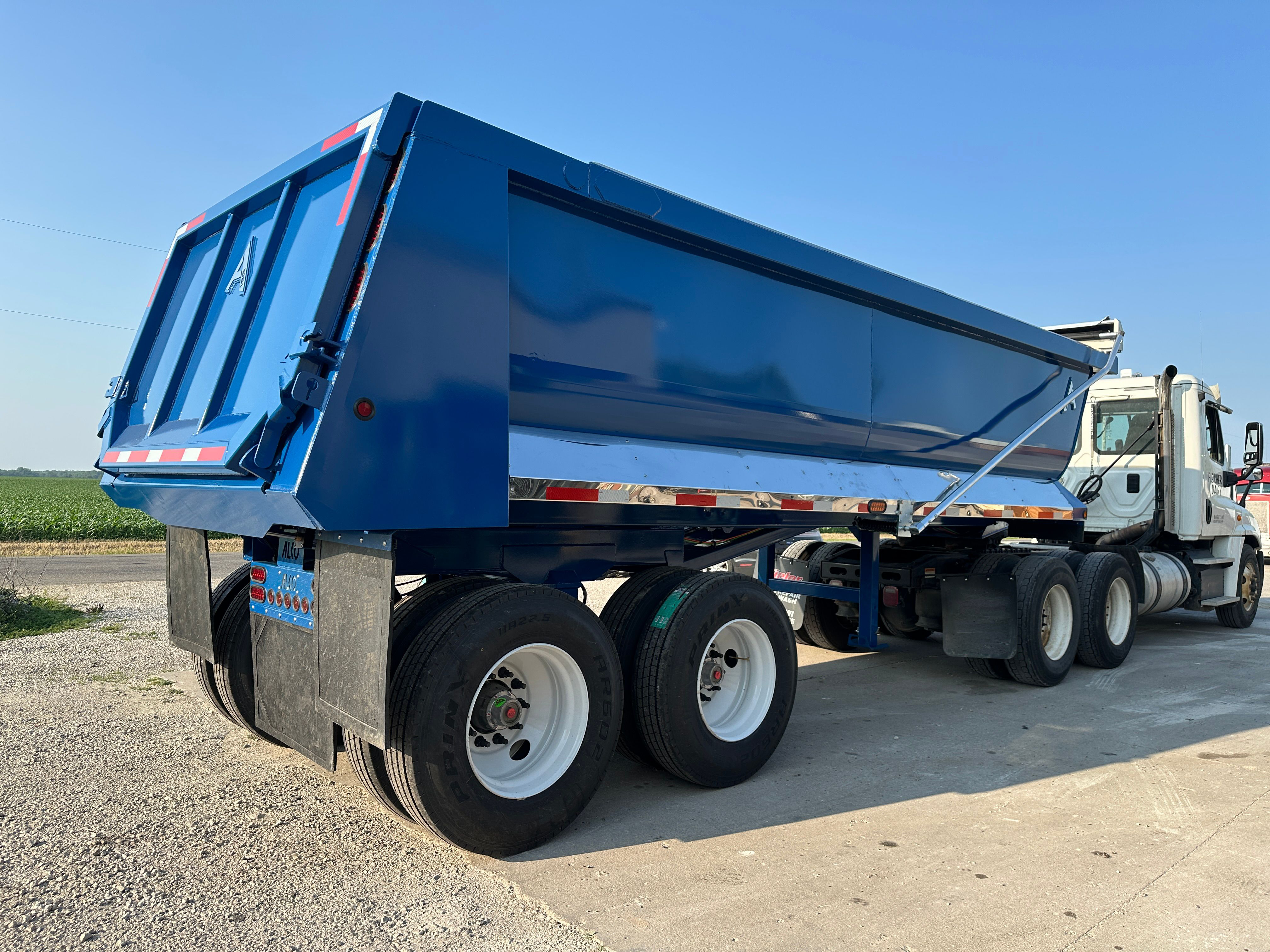
How Dump Trailer Suspension Systems Affect Hauling Performance
t
tj@civsav.com
© 2026 Civilized Savage
Based in USA
tj@civsav.com
Choosing the right dump trailer involves more than selecting the proper size or deciding between steel and aluminum construction. One of the most overlooked but critical components is the suspension system. Suspension directly affects trailer stability, hauling efficiency, payload protection, tire wear, driver comfort, and long-term operating costs.
For contractors, landscapers, construction crews, and hauling professionals, understanding how suspension systems work can improve jobsite productivity and reduce maintenance issues. Whether transporting gravel, debris, demolition waste, equipment, or landscaping materials, the right suspension setup plays a major role in performance.
Many operators focus heavily on payload capacity while ignoring how the trailer handles weight distribution across rough roads and uneven terrain. A properly designed suspension system helps maintain balance, prevents excessive bouncing, and protects both the trailer frame and towing vehicle from unnecessary strain.
If you are already researching how to choose the right dump trailer for your needs, understanding suspension systems should be part of the decision-making process.
A dump trailer suspension system absorbs road shock and distributes weight evenly across the axles. Without proper suspension, heavy loads can create instability, uneven tire wear, frame stress, and unsafe towing conditions.
Suspension systems influence:
When hauling across construction sites, gravel roads, uneven farmland, or highway routes, suspension quality becomes even more important.
Contractors using trailers daily often notice that better suspension systems reduce operator fatigue and improve hauling efficiency over time.
Different dump trailers use different suspension setups depending on intended applications, payload capacities, and operating environments.
Leaf spring suspension is one of the most common systems found on dump trailers. It uses stacked steel leaves that flex under load to absorb impact and maintain axle stability.
Benefits include:
Leaf spring systems are commonly used on heavy-duty trailers designed for construction and commercial hauling applications.
Businesses comparing trailer durability often review factors covered in heavy-duty dump trailer guide resources before selecting suspension types.
Torsion axles use rubber cords inside the axle tube to absorb shock independently on each wheel.
Advantages include:
Torsion systems are ideal for operators prioritizing smoother transport conditions and reduced cargo movement.
However, they can sometimes be more expensive to repair than traditional leaf spring systems.
Air ride suspension systems use airbags to cushion the trailer during transport.
Benefits include:
These systems are often used in specialized hauling applications where cargo protection is critical.
While air ride systems offer premium performance, they may require more maintenance and a larger upfront investment.
Load stability is essential for safe trailer operation. Poor suspension systems can cause excessive bouncing, shifting loads, and dangerous swaying during transport.
Proper suspension helps:
Construction crews hauling aggregate, asphalt, or demolition debris need stable trailers to maintain safe transport conditions.
Operators comparing hauling configurations often combine suspension considerations with sizing guidance found in what size dump trailer do you need.
Uneven suspension performance frequently causes premature tire wear. When weight distribution becomes inconsistent, certain tires experience more pressure than others.
This can lead to:
A balanced suspension system helps ensure even axle loading and longer tire lifespan.
Routine suspension inspections should be part of every trailer maintenance plan.
Maintenance recommendations similar to those discussed in trailer maintenance guide articles can help operators avoid expensive downtime.
Heavy-duty dump trailers regularly transport dense materials like:
These materials place enormous stress on axles and trailer frames.
A quality suspension system helps absorb repeated impact while reducing structural fatigue over time.
Contractors investing in heavy-duty dump trailers should evaluate suspension performance alongside frame construction and payload ratings.
Many dump trailers operate in rough environments where pavement is limited.
Examples include:
Off-road hauling creates constant vibration and uneven axle movement. Suspension systems designed for rough terrain help maintain traction and reduce damage.
Features that improve off-road performance include:
Contractors working in harsh environments often prioritize rugged trailer setups similar to those highlighted in dump trailers for contractors and haulers.
Payload capacity is not just about axle ratings. Suspension systems also determine how effectively the trailer handles heavy loads.
Weak suspension setups can cause:
Properly engineered suspension systems help maintain consistent load control even under maximum payload conditions.
Fleet operators managing multiple trailers often review long-term performance strategies discussed in dump trailer fleet utilization guide content.
Trailer construction materials influence suspension behavior as well.
Steel trailers are heavier and often require stronger suspension systems to support added structural weight.
Aluminum trailers are lighter, which may improve towing efficiency and reduce stress on suspension components.
Businesses comparing trailer configurations often research topics like steel vs aluminum dump trailers before deciding on the best hauling setup.
Matching the correct suspension with the trailer material ensures better overall balance and longevity.
Suspension wear develops gradually over time. Ignoring early warning signs can result in expensive repairs and unsafe towing conditions.
Common signs include:
Regular inspections help identify problems before they worsen.
Operators using trailers in high-frequency hauling operations should inspect suspension systems after demanding workloads or rough terrain use.
Every hauling operation has different requirements. The ideal suspension depends on:
For example:
Companies evaluating overall trailer configurations often combine suspension analysis with recommendations from choosing the right dump trailer for your business .
Maintaining suspension systems helps extend trailer lifespan and improve safety.
Key maintenance steps include:
Check for cracked, bent, or worn leaf springs.
Lubricating suspension points helps reduce friction and wear.
Misaligned axles increase tire wear and reduce stability.
Worn bushings can create loose suspension movement.
Loose or damaged U-bolts affect axle security.
Exceeding payload limits places excessive strain on suspension components.
Routine maintenance reduces long-term operating costs and helps prevent unexpected failures.
Modern dump trailers now include more advanced suspension engineering designed to improve hauling performance.
Emerging innovations include:
Manufacturers continue improving trailer performance for contractors handling demanding workloads.
Businesses investing in high-performance dump trailers increasingly evaluate suspension technology as a major purchasing factor.
A quality suspension system does more than improve comfort. It directly impacts productivity by:
For contractors working under tight schedules, dependable trailer performance helps projects stay on track.
Suspension systems may not always receive the same attention as trailer capacity or hydraulic systems, but they remain one of the most important factors affecting long-term hauling reliability.
Dump trailer suspension systems play a vital role in hauling safety, operational efficiency, and equipment longevity. Whether hauling construction debris, landscaping materials, agricultural supplies, or heavy aggregates, the right suspension setup improves trailer stability and reduces maintenance concerns.
Choosing the correct suspension requires understanding your workload, terrain conditions, towing requirements, and long-term business goals. Contractors who prioritize suspension quality often experience lower operating costs, fewer breakdowns, and more reliable performance over time.
As hauling demands continue evolving, investing in properly engineered suspension systems helps ensure dump trailers remain dependable, productive, and safe across a wide range of applications.