

Maximizing Dump Trailer Productivity Through Smart Load Management and Operational Planning
t
tj@civsav.com
© 2026 Civilized Savage
Based in USA
tj@civsav.com
Dump trailers have become essential assets for contractors, landscapers, construction companies, agricultural operations, and material haulers. Their versatility allows businesses to transport and unload bulk materials efficiently while reducing labor requirements and project timelines.
However, simply owning a dump trailer does not automatically guarantee maximum productivity. The most successful operators understand that efficiency depends on how equipment is utilized, maintained, scheduled, and integrated into daily operations.
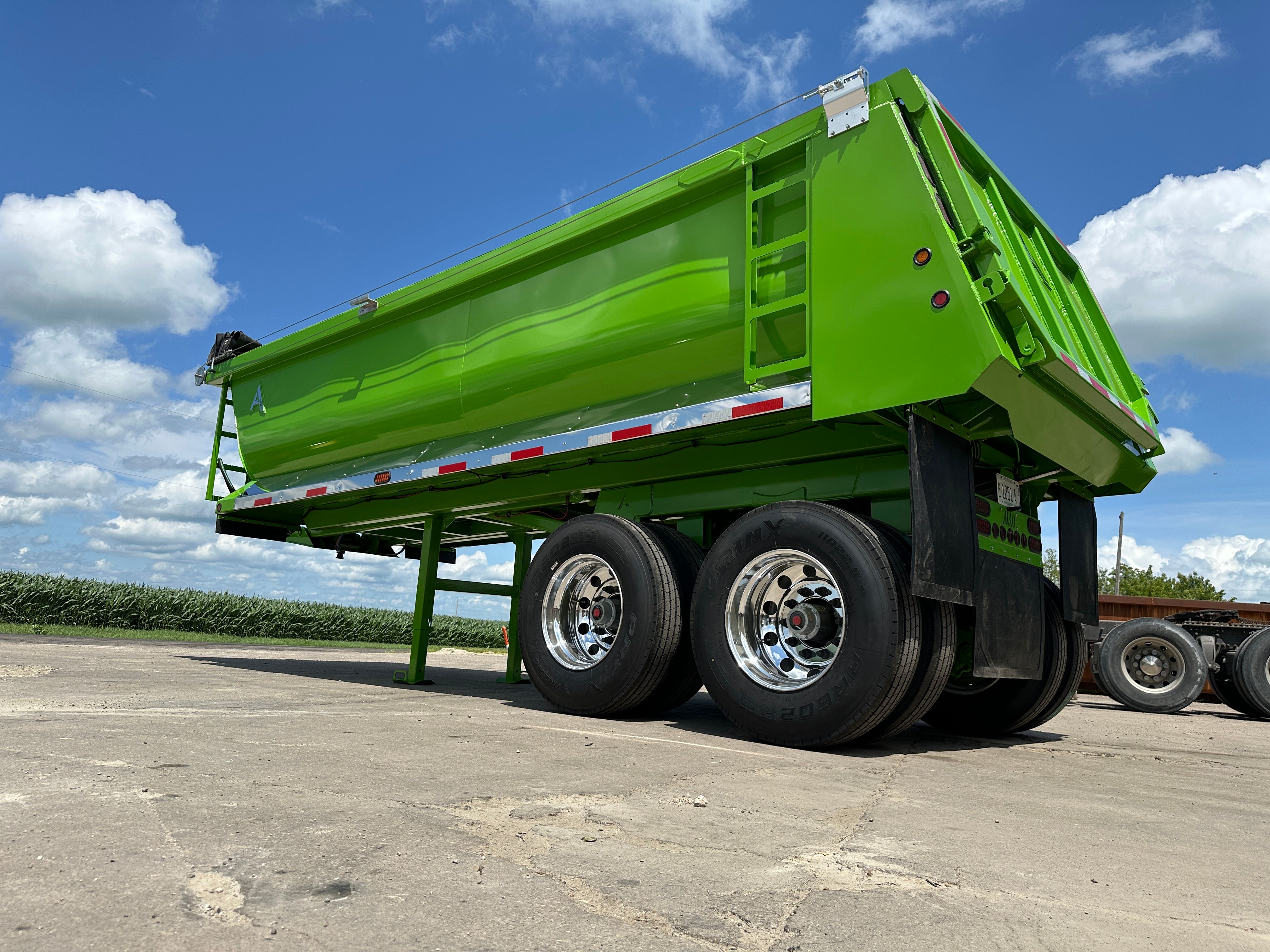
Companies such as ALKO Dump Trailers provide durable trailer solutions designed to help businesses improve hauling efficiency and support demanding workloads. When combined with effective operational planning, the right dump trailer can significantly improve profitability and equipment utilization.
This guide explores practical strategies for maximizing dump trailer productivity through smarter load management and operational planning.
Every hauling operation is measured by productivity. Whether transporting construction debris, aggregates, landscaping materials, or agricultural products, efficiency directly affects project costs and profitability.
Poor utilization often results in:
By optimizing how dump trailers are used, businesses can move more material while controlling expenses.
Many operators focus primarily on fuel expenses when evaluating hauling costs. However, several hidden factors contribute to overall operating expenses.
These include:
Small inefficiencies repeated throughout the day can significantly reduce overall profitability.
Load management is one of the most effective ways to improve trailer productivity.
A well-planned load strategy helps ensure:
Operators should understand trailer capacity limits and organize loads to maximize every trip without exceeding safe operating requirements.
While maximizing payload is important, overloading can create significant problems.
Excessive loads often lead to:
Finding the right balance between productivity and equipment protection is essential for long-term success.For guidance on trailer specifications and capabilities, see what size dump trailer do you need
Loading delays are a major source of lost productivity.
Efficient loading practices include:
Reducing loading time allows operators to complete more trips throughout the workday.
Route efficiency plays a significant role in dump trailer productivity.
Strategic route planning helps:
Modern GPS and fleet management tools can assist operators in identifying the most efficient transportation routes.
Different hauling operations require different trailer configurations.
Common applications include:
Selecting the proper trailer configuration improves efficiency and minimizes unnecessary wear.
For business-specific trailer selection considerations, see choosing the right dump trailer for your business
Downtime is one of the biggest threats to productivity.
Preventive maintenance helps operators identify small issues before they become major failures.
Key inspection areas include:
Routine maintenance improves reliability and extends equipment lifespan.
For maintenance best practices, see trailer maintenance guide
Productivity is influenced not only by hauling but also by unloading efficiency.
Factors that improve unloading performance include:
Efficient unloading reduces cycle times and allows operators to return to work faster.
Businesses operating multiple trailers benefit from structured scheduling systems.
Effective scheduling helps:
High utilization rates increase return on investment and improve overall fleet efficiency.For fleet-focused insights, see dump trailer fleet utilization guide
Fuel expenses represent a major operating cost for hauling businesses.
Several strategies help reduce consumption:
Fuel savings accumulated across multiple jobs can significantly improve profitability.
Productivity and safety should work together rather than compete with one another.
Safe operating practices help prevent:
A strong safety culture often leads to improved operational efficiency and lower long-term expenses.
Daily inspections play an important role in maintaining productivity.
Operators should routinely check:
Identifying issues before deployment helps prevent unexpected breakdowns during critical work periods.
Many hauling businesses experience seasonal fluctuations in demand.
Examples include:
Planning for seasonal demand helps businesses allocate equipment effectively and avoid operational bottlenecks.
Trailer design can significantly influence hauling performance.
Features that contribute to efficiency include:
Investing in quality equipment often results in improved long-term productivity.For information about heavy-duty trailer construction, see heavy duty dump trailer guide
Even the best equipment cannot achieve maximum productivity without skilled operators.
Training should focus on:
Well-trained operators help reduce wear, improve safety, and maximize equipment performance.
Technology continues to improve hauling efficiency across the industry.
Modern systems may include:
These technologies provide greater visibility into equipment utilization and operational performance.
Businesses should evaluate dump trailer investments based on long-term value rather than initial purchase price alone.
Factors affecting return on investment include:
A well-managed trailer can generate substantial value over many years of operation.
The hauling industry continues to evolve as businesses seek greater efficiency.
Emerging trends include:
These developments will help operators further improve productivity while controlling operating costs.
Maximizing dump trailer productivity requires more than simply transporting materials from one location to another. Success depends on efficient load management, preventive maintenance, route optimization, operator training, and strategic operational planning.
By implementing these practices, businesses can reduce costs, improve equipment utilization, and increase overall profitability.
With support from ALKO Dump Trailers, contractors, haulers, and business owners can access durable trailer solutions designed to handle demanding workloads while supporting long-term operational efficiency.
As hauling demands continue to grow across construction, landscaping, and agricultural industries, productivity-focused trailer management will remain a critical factor in achieving sustainable business success.