


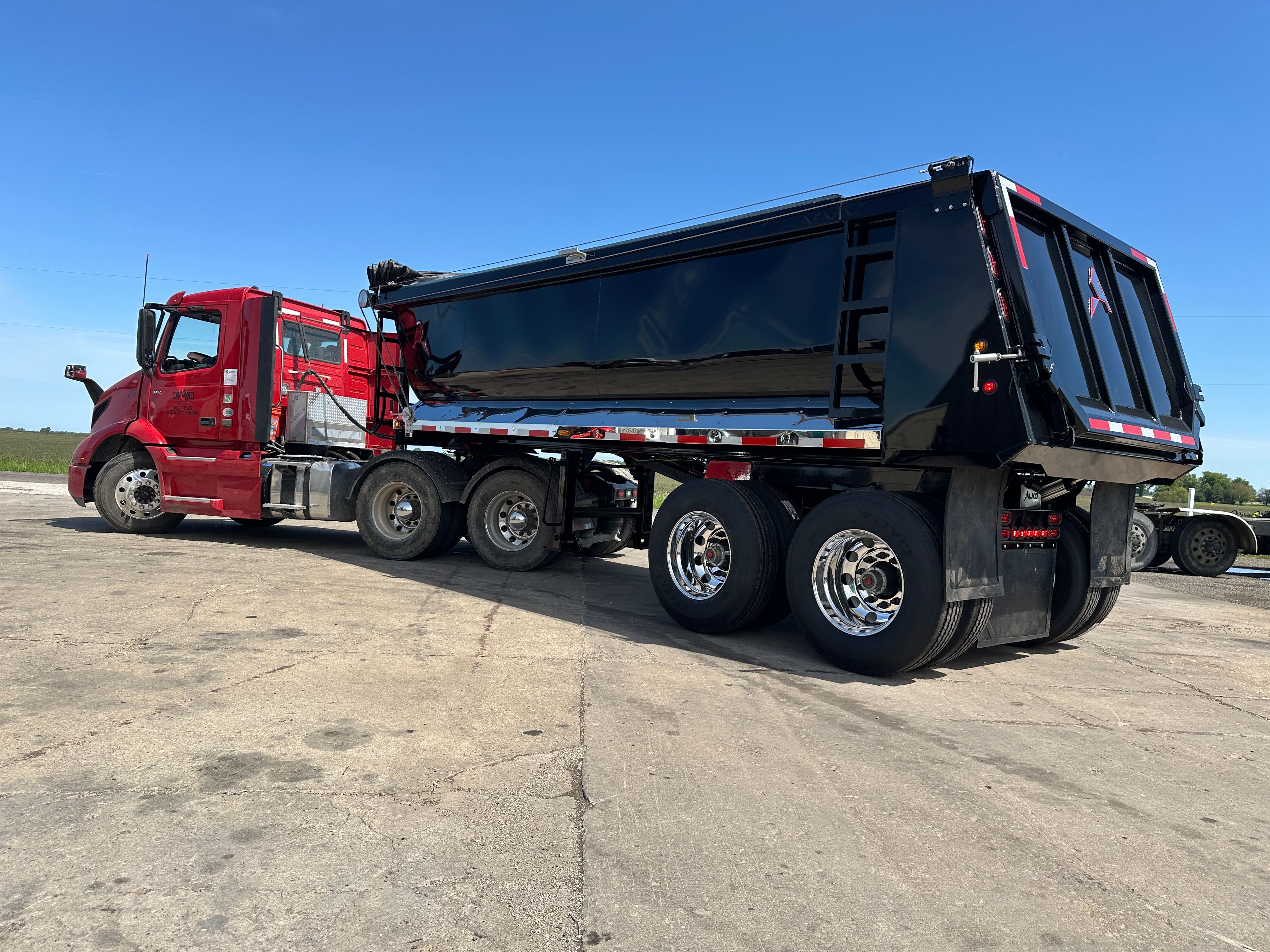
Dump Trailers in Wisconsin Spec Tips for Milwaukee and Madison Haulers
t
tj@civsav.com
© 2026 Civilized Savage
Based in USA
tj@civsav.com
Wisconsin haulers work in some of the toughest conditions in the Midwest. A roofing crew in Milwaukee might tear off shingles on a narrow Bay View street in the morning and haul concrete from a demolition site near the Menomonee Valley that afternoon. A landscaper in Madison could be moving mulch across the isthmus in May and pushing through slush on the Beltline in December. In between, every trailer faces road salt, frost heaved pavement and long months of freezing temperatures.
That is why buying dump trailers in Wisconsin takes more than picking a size and a color. The right specs make the difference between a trailer that works hard for a decade and one that rusts, sags or fails when you need it most. In this guide, we cover the specs that matter most for Milwaukee and Madison haulers, from capacity and hoist type to corrosion protection, gates, tires and winter readiness.
Wisconsin combines dense urban work with wide open rural routes, and each brings its own demands. Milwaukee haulers deal with older neighborhoods, alleys, tight driveways and heavy demolition and roofing debris. Madison crews work around the isthmus, fast growing suburbs like Sun Prairie, Verona and Middleton, and a steady stream of residential, landscaping and municipal projects. Many contractors cover both, running Interstate 94 between the two cities and branching out to Waukesha, Brookfield, Janesville and beyond.
On top of that, Wisconsin weather is hard on equipment. Winter brings heavy use of road salt and brine, which attacks steel, wiring and brake components. Lake effect snow near Lake Michigan adds extra moisture. Spring thaw brings potholes and rough pavement, and many local roads post seasonal weight restrictions during frost season. Specs that work fine in warmer, drier states can wear out quickly here, so Wisconsin buyers should plan for durability first.
Size is the first spec to settle, and it should match the jobs you do most often rather than the biggest job you might do once a year. Smaller trailers are easier to maneuver in Milwaukee alleys and Madison driveways, while larger units move more material per trip on open job sites and highway runs.
A few common size ranges fit typical Wisconsin work:
Side height matters too. Higher sides help with bulky but light material such as mulch, brush and roofing debris, while lower sides are easier to load by hand and better suited to dense loads like gravel and concrete. For a deeper breakdown, see our guide on what size dump trailer you need.
Gross vehicle weight rating (GVWR) is one of the most important numbers on any trailer. It tells you the maximum safe weight of the trailer plus its load. Dense materials such as wet soil, gravel, broken concrete and asphalt can reach that limit long before the box looks full, so it pays to estimate the weight of your heaviest regular loads before you buy.
Tandem axle trailers are the standard for most contractors because they spread weight evenly and handle better on highways and rough roads. Heavier duty axles and stronger frames make sense if you haul dense material daily. Just as important, make sure your truck is rated to tow the fully loaded trailer, including its hitch, brakes and payload capacity.
Wisconsin also has its own rules for trailer registration, braking and weight, including seasonal restrictions on some local roads during spring thaw. Requirements can change, so confirm the current rules with the Wisconsin Department of Transportation or your dealer before you finalize your specs. If you are comparing models, our heavy duty dump trailer guide explains how frame strength, axles and capacity work together.
Material choice has a big impact on how a trailer holds up to Wisconsin winters. Steel trailers are strong, affordable and easy to repair, which makes them popular with demolition and excavation crews hauling heavy, abrasive loads. The trade off is that steel needs good coatings and regular care to resist rust from road salt.
Aluminum trailers weigh less, which can increase payload and reduce fuel use, and they naturally resist corrosion. That makes them attractive for haulers who log a lot of winter miles. They usually cost more upfront and can be less forgiving with very heavy, sharp debris. Our side by side comparison of steel vs aluminum dump trailers covers the pros and cons in detail.
For dump trailers in Wisconsin, corrosion protection deserves as much attention as capacity. Salt spray reaches every part of the trailer, from the frame rails and crossmembers to brake lines, wiring and lights.
Look for trailers with quality primer and powder coat finishes, especially on the frame and underside. Sealed wiring harnesses and LED lights hold up far better than exposed connections and traditional bulbs. Protected brake lines and well placed drain holes help prevent salt and moisture from collecting in hidden spots. These details are easy to overlook in the showroom but make a major difference after a few winters.
Even the best coatings need help. Washing the trailer regularly during winter, especially the underside, removes salt before it can do lasting damage. Our trailer maintenance guide explains how to build a simple routine that keeps your trailer in top shape.
The hoist is the heart of any dump trailer, and its design affects how well the trailer handles heavy or sticky material. Scissor hoists offer strong, stable lifting and work well for most contractor applications. Telescopic hoists provide excellent lifting power and are often chosen for heavier loads and higher dump angles. Dual cylinder setups are another common option and provide balanced lifting for everyday hauling.
Wisconsin winters add another factor. Cold temperatures make hydraulic fluid thicker and put more strain on batteries, which can slow the hoist or leave it struggling on frosty mornings. A healthy battery, a reliable charging setup from your tow vehicle and hydraulic fluid suited to cold weather all help your hoist perform when temperatures drop. Wet clay and frozen soil also tend to stick in the box, so a steeper dump angle can help material slide out cleanly.
The right gate setup saves time on every job. Barn doors open wide for unloading bulky debris, while spreader gates let you lay down gravel, sand or mulch in a controlled, even layer. Combination gates give you both options, which is useful for crews whose work changes from day to day.
If you haul equipment such as mini excavators or skid steers, ramps let the trailer do double duty. A tarp system is another smart addition, keeping loads covered and secure on highway runs between Milwaukee and Madison and helping you meet load covering requirements.
Tires and brakes carry extra responsibility on Wisconsin roads. Properly rated tires with good tread give better grip in rain, slush and snow, and should be checked often for wear and correct pressure, especially as temperatures swing. Reliable electric or hydraulic brakes, matched to the trailer's weight, are essential for stopping safely with heavy loads on icy pavement.
Lighting matters during short winter days. Bright LED lights improve visibility in snow and early darkness and resist the corrosion that often affects older bulb sockets. Adding extra marker lights or reflective tape can help other drivers see you on busy routes like Interstate 94 and the Madison Beltline.
Many buyers focus only on price and overlook details that matter more over the life of the trailer. Choosing a trailer that is too small, ignoring GVWR, skipping corrosion protection or buying without checking the tow vehicle's capacity can all lead to costly problems. Before you buy, review the top mistakes to avoid when buying a dump trailer so you can spot them early.
It also helps to think about how the trailer fits your business. If you run several trucks and trailers, planning how each unit will be used can prevent idle equipment and overworked machines. Our dump trailer fleet utilization guide shows how to get more value from every trailer you own.
For many Wisconsin contractors, the best time to buy is late winter or early spring, before the construction and landscaping season ramps up. That gives you time to take delivery, add options and get the trailer ready before your busiest months.
If paying in full upfront is not practical, financing can help you add capacity without draining your working capital. Learn more in our guide on how to secure equipment financing for small business. When you are ready to compare models, browse our selection of dump trailers for sale to find the right fit for your work.
Buying dump trailers in Wisconsin comes down to choosing specs that match your loads, your routes and the state's demanding climate. The right size and GVWR keep you productive, the right material and coatings protect against road salt, and the right hoist, gates, tires and brakes keep every job running smoothly through all four seasons.
Whether you are a roofing contractor in Milwaukee, a landscaper in Madison or a demolition crew covering the whole state, Alko Dump Trailers can help you find a trailer built for the way you work. For more guidance, explore our resources on dump trailers for contractors and haulers.