


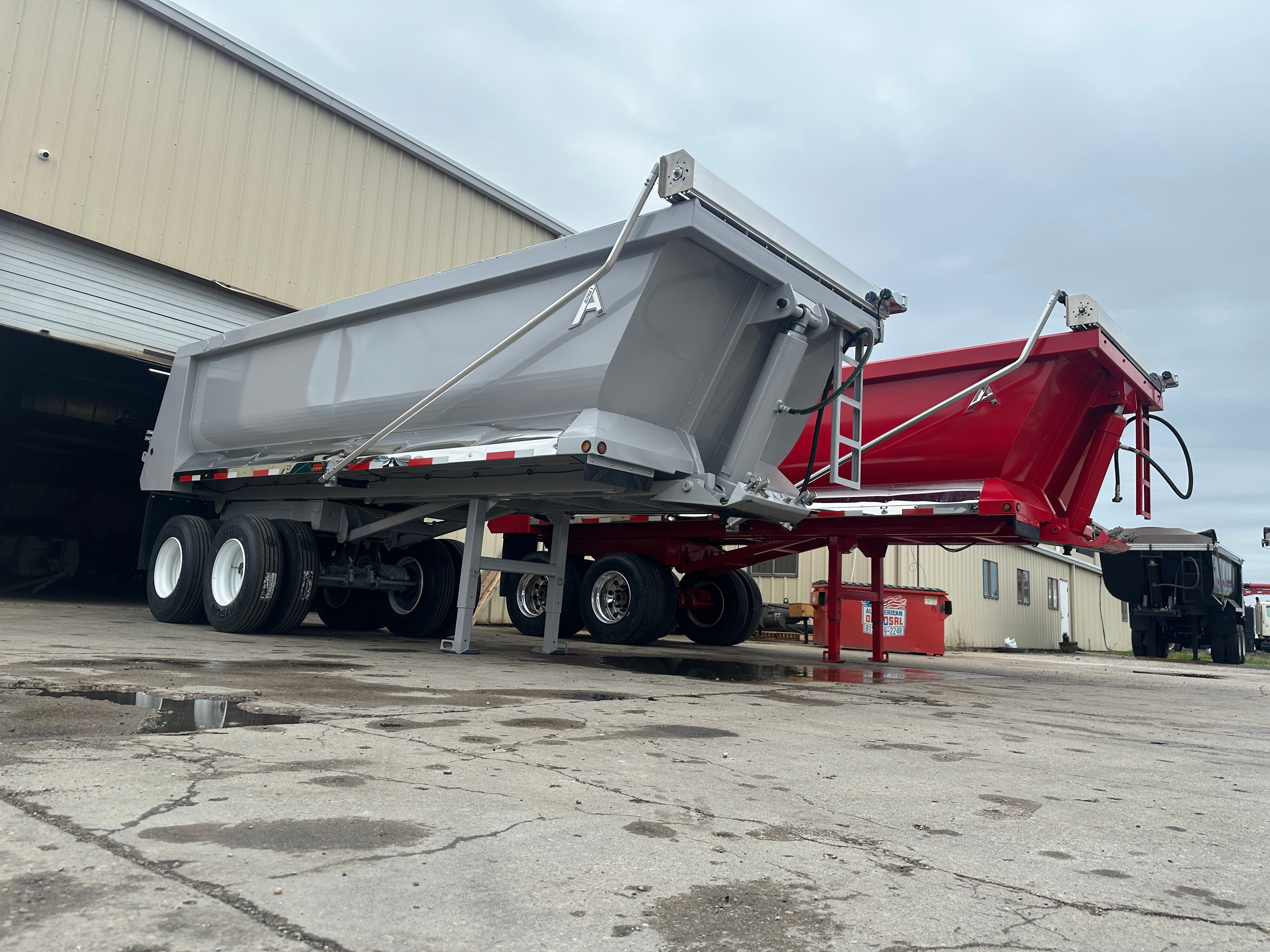
Dump Trailer Load Management Strategies to Improve Safety, Efficiency, and Profitability
t
tj@civsav.com
© 2026 Civilized Savage
Based in USA
tj@civsav.com
For contractors, landscapers, construction companies, and material haulers, a dump trailer is more than just a transportation tool it is a critical asset that directly impacts productivity and profitability. While many businesses focus on trailer size, payload capacity, and maintenance schedules, load management is often overlooked despite its significant influence on operational success.
Proper load management helps maximize hauling efficiency, reduce equipment wear, improve jobsite safety, and lower operating costs. Whether transporting gravel, soil, demolition debris, aggregate materials, or construction waste, understanding how to distribute, secure, and manage loads effectively can make a substantial difference in performance.
This guide explores practical dump trailer load management strategies that help businesses improve safety, increase efficiency, and maximize return on investment.
Many hauling problems originate from poor loading practices. Uneven weight distribution, overloaded trailers, and improperly secured materials can create serious challenges during transport and unloading.
Effective load management helps:
Businesses already focused on improving hauling performance often discover that combining proper loading techniques with insights from How to Choose the Right Dump Trailer for Your Needs can significantly improve operational results.
Understanding Weight Distribution
One of the most important aspects of dump trailer operation is maintaining proper weight distribution.
Poorly distributed loads can:
The ideal load places approximately 60% of the weight slightly forward of the trailer axles and 40% behind them.
Benefits include:
Operators should avoid concentrating heavy materials entirely at the front or rear of the trailer.
Avoiding Overloading Mistakes
Overloading remains one of the most common causes of trailer damage and transportation violations.
Exceeding rated payload limits can result in:
Businesses seeking maximum hauling performance should first understand payload ratings, as discussed in Dump Trailer Payload Capacity, Productivity, and Hauling Costs.
Always verify:
Staying within manufacturer specifications protects both equipment and operators.
Matching Material Type to Loading Strategy
Different materials require different loading approaches.
These dense materials can quickly exceed payload limits.
Best practices:
Debris often creates uneven weight distribution.
Best practices:
Moisture content dramatically affects weight.
Best practices:
Mulch and organic materials are lighter but bulkier.
Best practices:
Improving Loading Efficiency on Jobsites
Efficient loading practices can significantly reduce project timelines.
Operators should:
Many contractors improve productivity by integrating loading strategies with broader operational practices outlined in Dump Trailers Jobsite Efficiency and Material Handling. This creates smoother workflows and faster material movement.
Securing Loads Properly
Load security is essential for both safety and compliance.
Materials that shift during transport can:
Common securing methods include:
Before departure, operators should perform a complete visual inspection to verify that materials remain secure.
How Trailer Design Supports Better Load Management
Modern dump trailer designs improve loading performance and unloading efficiency.
Features that contribute include:
Provides greater material containment.
Supports concentrated heavy loads.
Improves towing stability.
Facilitates controlled unloading.
Many businesses evaluating trailer designs compare options discussed in Steel vs Aluminum Dump Trailers Which Material Is Right
Reducing Equipment Wear Through Better Loading Practices
Improper loading increases stress on:
Even small loading imbalances repeated over hundreds of hauling cycles can significantly shorten equipment lifespan.
Operators who consistently maintain proper weight distribution often experience:
Load Management and Fuel Efficiency
Fuel represents a major operating expense for contractors and haulers.
Poor load distribution can increase:
Efficient loading practices help:
Businesses focused on profitability often combine these strategies with broader fleet optimization efforts discussed in Dump Trailer Fleet Strategy Profitability Efficiency.
Training Operators for Consistent Results
Even the best equipment cannot compensate for poor loading practices.
Operator training should include:
Regular training helps establish consistency across crews and reduces preventable incidents.
Organizations that invest in operator education often achieve higher productivity while reducing maintenance expenses.
Safe Dumping Procedures
Loading practices directly influence unloading safety.
Before raising a dump body:
Uneven loads increase rollover risk during dumping operations.
Proper loading from the start helps ensure controlled unloading later.
Leveraging Technology for Better Load Management
Technology continues to improve trailer operations.
Modern solutions include:
These technologies help operators:
As fleets grow, data-driven management becomes increasingly valuable.
Financial Benefits of Effective Load Management
Better loading practices deliver measurable financial advantages.
Potential benefits include:
Balanced loads reduce component wear.
Faster loading and unloading improve project efficiency.
Trailers remain operational longer.
Lower transportation costs improve margins.
Fewer breakdowns keep equipment productive.
Businesses investing in equipment acquisition should also understand financing considerations discussed in How to Secure Equipment Financing for Small Business.
Selecting the Right Trailer for Load Requirements
Different hauling applications require different trailer configurations.
Factors to evaluate include:
Contractors transporting diverse materials often benefit from reviewing recommendations in Choosing the Right Dump Trailer for Your Business. Matching equipment to workload requirements improves both efficiency and profitability.
Building a Long-Term Load Management Strategy
Successful contractors view load management as part of a broader equipment strategy rather than a daily task.
Long-term best practices include:
When integrated into daily operations, these practices help businesses maximize trailer utilization while minimizing risk.
Effective dump trailer load management is one of the most impactful ways to improve hauling performance, enhance safety, and increase profitability. Proper weight distribution, careful payload monitoring, secure loading practices, and operator training all contribute to better equipment performance and lower operating costs.
Whether hauling construction materials, landscaping products, demolition debris, or aggregate loads, businesses that prioritize load management gain significant operational advantages. By combining smart loading strategies with the right trailer selection, preventive maintenance, and fleet planning, contractors can maximize productivity while protecting their equipment investment for years to come.